
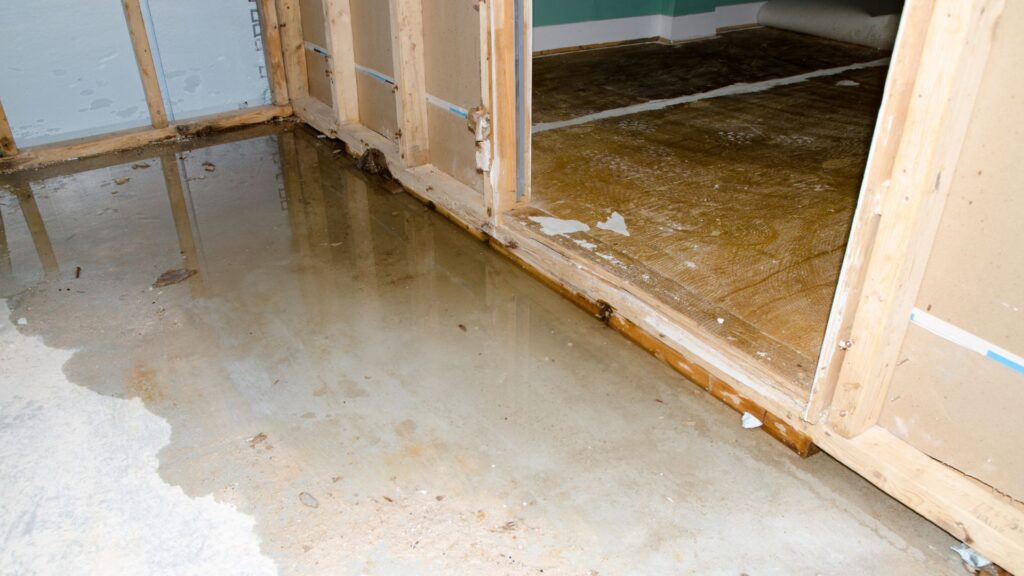
WATER DAMAGE HOME RESTORATION
When not handled properly, water damage can lead to mold and structural issues. We help homeowners understand the full scope of damage and restore the home the right way.
Our residential water damage restoration approach
Water damage restoration is the process of removing standing water, drying the structure down to safe moisture levels, removing materials that cannot be saved, and rebuilding the finishes so the home looks and performs the way it did before the loss. Drying alone is not restoration. A house is only restored when the walls, floors, cabinets, and trim are back in place and the source of the water has been corrected.
MaxOut Claims is a licensed residential general contractor serving homeowners across Westchester County, New York City, Connecticut, and New Jersey. We inspect the affected areas, map moisture with meters and thermal imaging, document every affected material, and then perform the repair work ourselves.
Speed matters more with water than with any other loss type. Drywall wicks moisture upward within hours, hardwood cups within a day, and mold growth can begin in 24 to 48 hours in a warm, damp cavity. A fast, well documented response usually turns a large loss into a small one.
- Moisture mapping and material loss documentation
- Detailed scope of drying, demolition, and rebuild
- Mold prevention guidance during home restoration
- Quality finish work to restore your residence
Common causes of residential water damage
Most of the water damage repair work we perform traces back to a small number of failures. Knowing the cause matters because it determines both the drying plan and how your policy treats the loss.
- Burst or frozen supply pipes, often in exterior walls, attics, and crawl spaces
- Failed washing machine hoses, dishwashers, refrigerator ice lines, and water heaters
- Overflowing toilets, tubs, and failed supply valves
- Roof leaks, ice dams, and flashing failures that soak ceilings and wall cavities
- HVAC condensate line clogs and air handler pan overflows
- Sump pump failure and sewer backups, which are treated as contaminated water
Categories of water and why they change the repair
Restoration standards separate water losses into three categories. Clean water from a supply line can often be dried in place. Gray water from appliances and gray fixtures requires more removal. Black water from sewage or flooding requires that porous materials be removed and the area be cleaned and treated before anything is rebuilt.
We identify the category in writing at the inspection, because it drives which materials are salvageable, how the area must be handled, and how the loss should be documented for your carrier.
Hidden damage behind a dry looking wall
A surface that feels dry to the hand is frequently still wet inside. Our moisture mapping records readings across each affected assembly so we can prove what is wet, dry it correctly, and confirm when it is genuinely dry.
- Saturated insulation inside wall and ceiling cavities
- Wet subfloor and sill plates under finished flooring
- Swollen cabinet bases, toe kicks, and vanity boxes
- Cupped or buckled hardwood and delaminated engineered flooring
- Trapped moisture under vinyl, tile, and laminate assemblies
- Early mold growth on the back of drywall and behind baseboards
Water damage and your homeowners insurance
Homeowners policies typically cover sudden and accidental water discharge, such as a pipe that bursts, while excluding long term seepage, poor maintenance, and surface flooding, which requires separate flood coverage. That distinction is decided on documentation, which is why we photograph the failure point, record moisture readings, and write an itemized scope of the drying, demolition, and rebuild.
You keep every record we produce, and you can share it with your carrier or adjuster directly.
Our water damage restoration process, step by step
- 1
Stop the source
Isolate the failed pipe, appliance, or roof leak so no additional water enters the structure.
- 2
Water extraction
Remove standing water from floors, cavities, and finished spaces before it migrates further.
- 3
Moisture mapping
Meter readings and thermal imaging across every affected assembly, recorded room by room.
- 4
Structural drying
Air movers and dehumidification, monitored daily until materials reach documented dry standard.
- 5
Controlled demolition
Removal of saturated drywall, insulation, flooring, and cabinetry that cannot be dried in place.
- 6
Rebuild and finish
Insulation, drywall, paint, flooring, trim, and cabinetry restored to pre loss condition.
What affects the cost of water damage restoration
No two losses price the same way. These are the factors that move the number most, and each one appears as a documented line item in the scope we prepare for your home.
- Volume of water and how long it sat before extraction began
- Category of water, from clean supply water to sewage backup
- Number of rooms, floors, and ceiling assemblies affected
- Whether hardwood, tile, or cabinetry can be dried or must be replaced
- Access needed to reach wet cavities behind finished surfaces
- Repair of the failed pipe, appliance, or roof detail that caused the loss
Where we work
MaxOut Claims is a licensed residential general contractor serving homeowners throughout Westchester County, all five boroughs of New York City, Connecticut, and New Jersey. If your home is in our area, we will come out, inspect the damage, and document what we find.
Not sure whether water damage is what you are dealing with? Tell us what you are seeing and we will help you figure it out.
Water Damage questions homeowners ask us
More answers are on our frequently asked questions page, or read the home restoration blog for detailed guides.
Related water damage topics
- water damage restoration near me
- water damage repair
- burst pipe cleanup
- water damage cleanup company
- water damage repair cost
- water damage insurance claim
Get Help With Water Damage Restoration
Tell us about the damage to your home. Our licensed residential restoration team will follow up to schedule an inspection and prepare a detailed repair scope.
Add Us to Your Phone
Save our contact information now, so it is ready the moment damage happens to your home.