
Tips for Documenting Water Damage for an Insurance Claim
Why the First Photos You Take Shape Your Whole Recovery
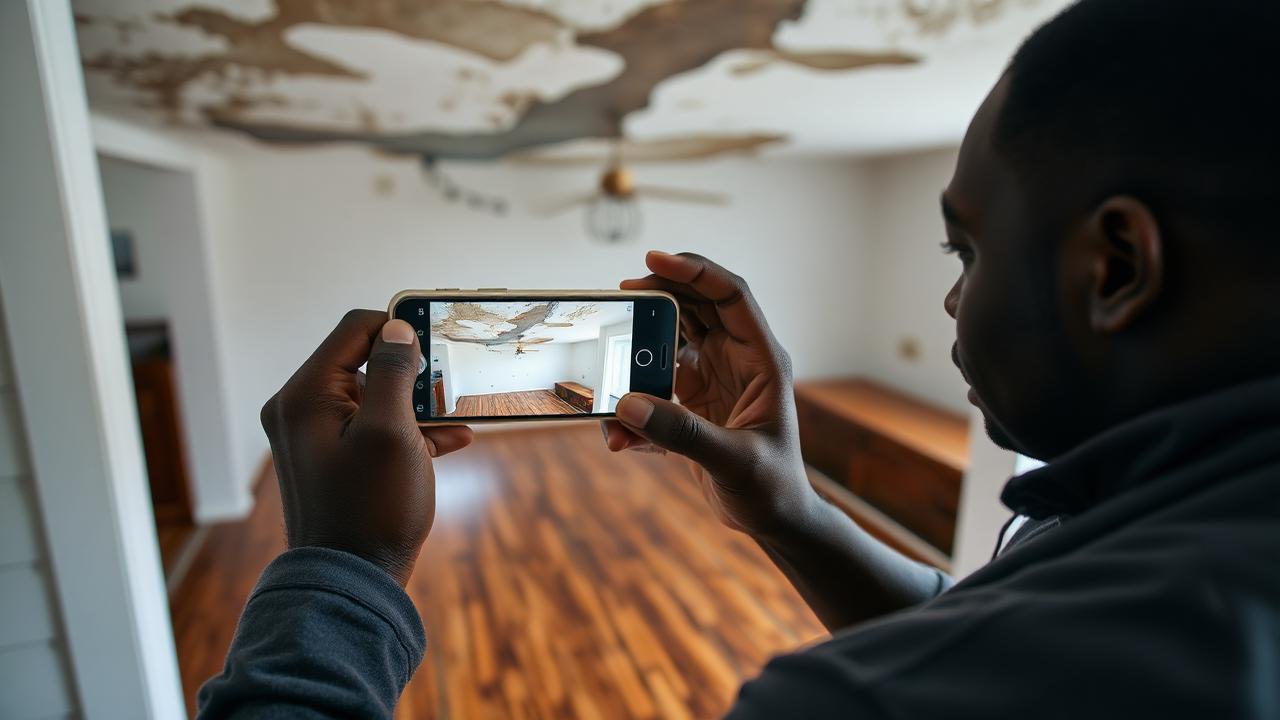
When water damage strikes your home, the documentation you create in the hours and days immediately following the loss can shape the entire outcome of your recovery. An insurance claim expert will tell you that thorough, organized, and timely documentation is one of the single most important things a homeowner can do to protect their home and their family after a water damage event. Knowing exactly what to capture, how to capture it, and how to organize it puts you in the strongest possible position as the restoration and claims process moves forward.
Water Does Not Wait, and Neither Should You
It starts quietly. A ceiling discoloration after a heavy rain. A soft spot in the floor near the washing machine. A faint musty smell in the basement after a storm. For homeowners across Westchester, New York and throughout Connecticut and the tri-state area, water damage has a way of revealing itself gradually, and by the time the full picture becomes clear, the damage has often already spread far beyond what the eye can see on the surface.
For families who have watched a finished basement fill with floodwater during a nor'easter or discovered that a roof leak has been silently soaking through insulation and framing for weeks, the emotional toll is enormous. There is the immediate shock of seeing your home damaged, followed quickly by the weight of everything that needs to happen next. Filing an insurance claim. Finding a contractor. Figuring out where to live if the damage is severe. Worrying about whether the insurance payout will actually cover what it costs to make things right again.
The good news is that when documentation is done correctly and thoroughly from the very beginning, homeowners are in a far stronger position throughout the entire process. This is especially true for flood scenarios, and our guide to affordable restoration specialists helping homeowners recover from flood damage shows how disciplined documentation carries through to a proper rebuild. Storm-driven losses often follow the same pattern, which is why how to start a new home insurance claim for storm damage is worth reading side by side with this article.
Tip One: Start Documenting Before Anything Is Touched
The single most important rule of water damage documentation is this: capture everything before any water is removed, any materials are disturbed, or any cleaning begins. The original condition of the damage is your most powerful evidence, and once it is altered, it cannot be recreated.
Walk through every affected area of your home with your phone or a dedicated camera and record detailed photographs and video of everything you observe. Standing water levels. Saturated flooring and baseboards. Water stains and discoloration on walls and ceilings. Bubbling or peeling paint. Warped or buckled surfaces. Damaged personal property and furnishings. Document all of it from multiple angles and distances so that the full picture is clear.
Do not limit your documentation to the areas where the damage is most obvious. Water travels, and it travels in ways that are often surprising. A roof leak shows up on one ceiling, but the water may have traveled through wall cavities and insulation to a completely different area of the home. A burst pipe in one room may have pushed moisture under flooring through an entire level of the house. Your documentation should be as wide-ranging as possible, covering every room and every surface that could have been affected, even if the damage in some areas appears minor at first glance.
Tip Two: Capture the Source of the Water Damage
In addition to documenting the damage itself, photograph, and video the source of the water intrusion clearly and in detail. Whether it is a damaged roof, a burst pipe, a failed appliance connection, a flooded window well, or a compromised foundation, capturing the origin of the problem is a critical component of any water damage insurance claim.
The source documentation helps establish the cause of loss, which is directly tied to what is and is not covered under your homeowners insurance policy. Different sources of water damage are treated differently under most policies, and having clear visual evidence of where the water entered your home protects your claim and helps ensure that the full scope of the loss is rigorously evaluated.
If the source of the damage involves a structural element like a roof or a wall, photograph the exterior as well as the interior. Wide shots that show the overall condition of the structure alongside close-up images of the specific point of failure create a complete and compelling picture of what happened and how the water entered your home.
Tip Three: Document Hidden Damage With Professional Help
One of the most significant challenges of water damage documentation is that the most severe damage is often the damage you cannot see. Moisture that travels inside wall cavities, under flooring, above ceilings, and into structural framing causes ongoing deterioration that a surface inspection will not reveal. Mold growth, wood rot, and compromised structural integrity develop silently and can reach advanced stages before any visible signs appear.
This is where working with an insurance claim expert and qualified home restoration specialist becomes genuinely essential. MaxOut Claims is a general contractor and home restoration specialist serving homeowners across Westchester, New York, Connecticut, and the tri-state area who are recovering from water damage, storm damage, flooding, and other serious property losses. When MaxOut Claims conducts a damage assessment, the team uses professional moisture detection tools and a trained eye to identify damage that goes well beyond what is visible on the surface.
The hidden damage that MaxOut Claims identifies and documents becomes part of a comprehensive damage record that reflects the true and complete scope of what the home has suffered. A water damage insurance claim that accounts for all of this hidden damage produces a very different restoration outcome than one that addresses only what could be seen on the day of the initial inspection.
Tip Four: Create a Detailed Personal Property Inventory
Water damage to a home almost always includes damage to the personal property inside it. Furniture, electronics, appliances, clothing, documents, artwork, and sentimental items all fall within the scope of a water damage insurance claim and documenting them carefully is just as important as documenting the structural damage to the home itself.
Walk through every affected area and create a written inventory of damaged personal property. Include item descriptions, approximate age, and estimated replacement value for each item. Pair this written inventory with your photographic and video documentation so that each item on the list is visually represented. The more organized and thorough this inventory is, the more clearly it communicates the full extent of the personal property loss as part of your overall claim.
Do not discard any damaged items before your insurance carrier has had the opportunity to inspect them. Disposing of damaged property before it has been evaluated can complicate your claim in ways that are difficult to reverse. If items pose a health or safety risk and must be removed quickly, photograph them extensively first and note their removal clearly in your documentation.
Tip Five: Keep a Detailed Record of All Expenses and Communications
From the moment water damage occurs, begin keeping a running log of every expense related to the loss and every communication you have with your insurance company, contractors, and any other parties involved in the claims and restoration process. This log should include dates, names, and a brief summary of every conversation. Save every email. Keep copies of every document you submit and every document you receive.
Emergency expenses such as temporary accommodations, meals, storage fees for salvaged belongings, and the cost of emergency water extraction or temporary weatherproofing are all potentially reimbursable components of a water damage insurance claim. Having organized records of these expenses from the very beginning ensures that nothing falls through the cracks as the claim moves through the process.
Your Documentation Is the Foundation of Your Recovery
Getting the documentation right after water damage is not just a procedural step. It is the foundation upon which your entire recovery is built. Thorough documentation protects your claim, supports a complete restoration, and gives your family the confidence that the full scope of the loss is being properly addressed. MaxOut Claims is here to help homeowners throughout Westchester, New York, Connecticut, and the tri-state area document their water damage correctly and recover completely. If your home has suffered a water loss and you need the guidance of a trusted insurance claim expert and home restoration specialist, reach out to MaxOut Claims to get help now. Your home and your family deserve nothing less than a full and proper recovery.